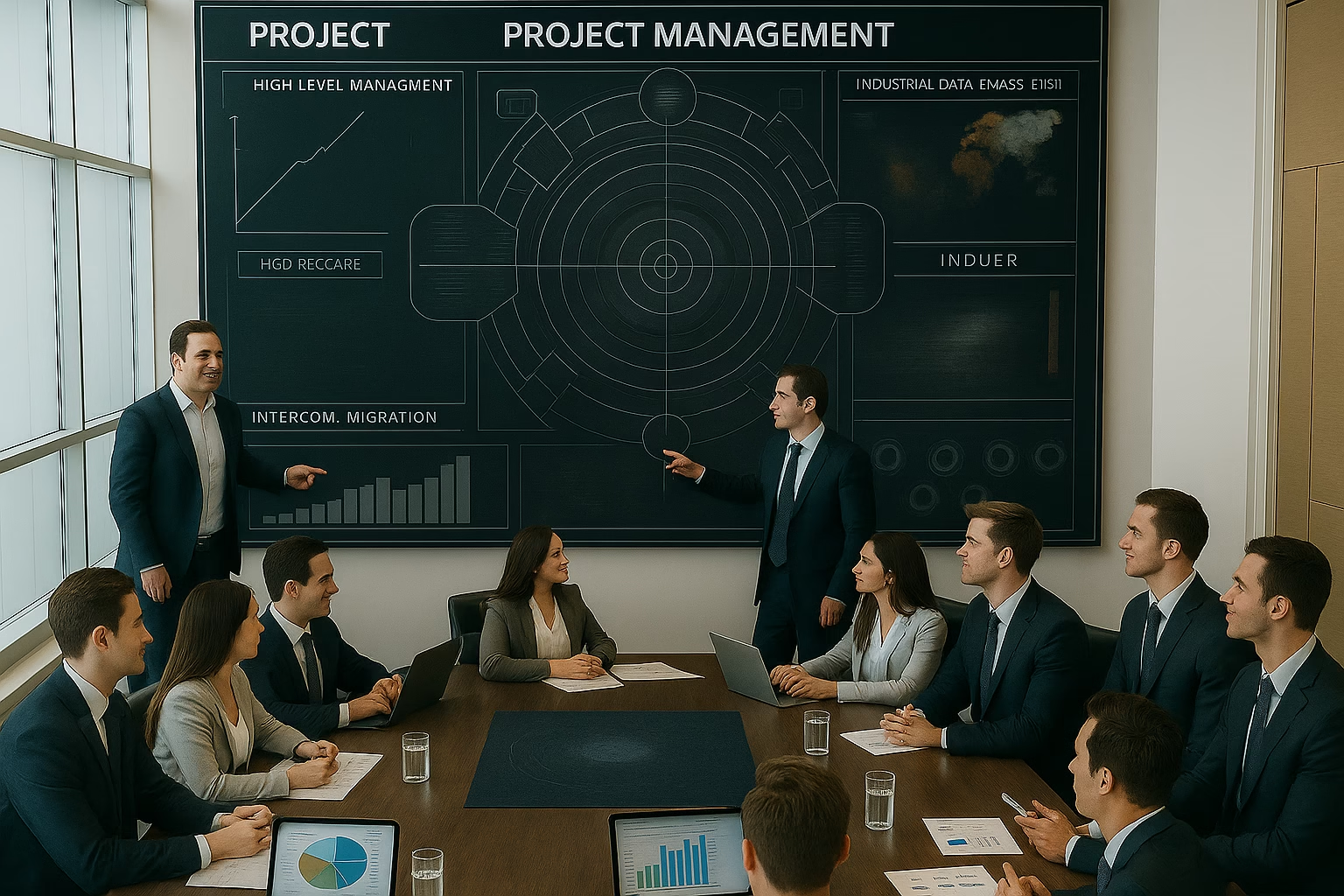
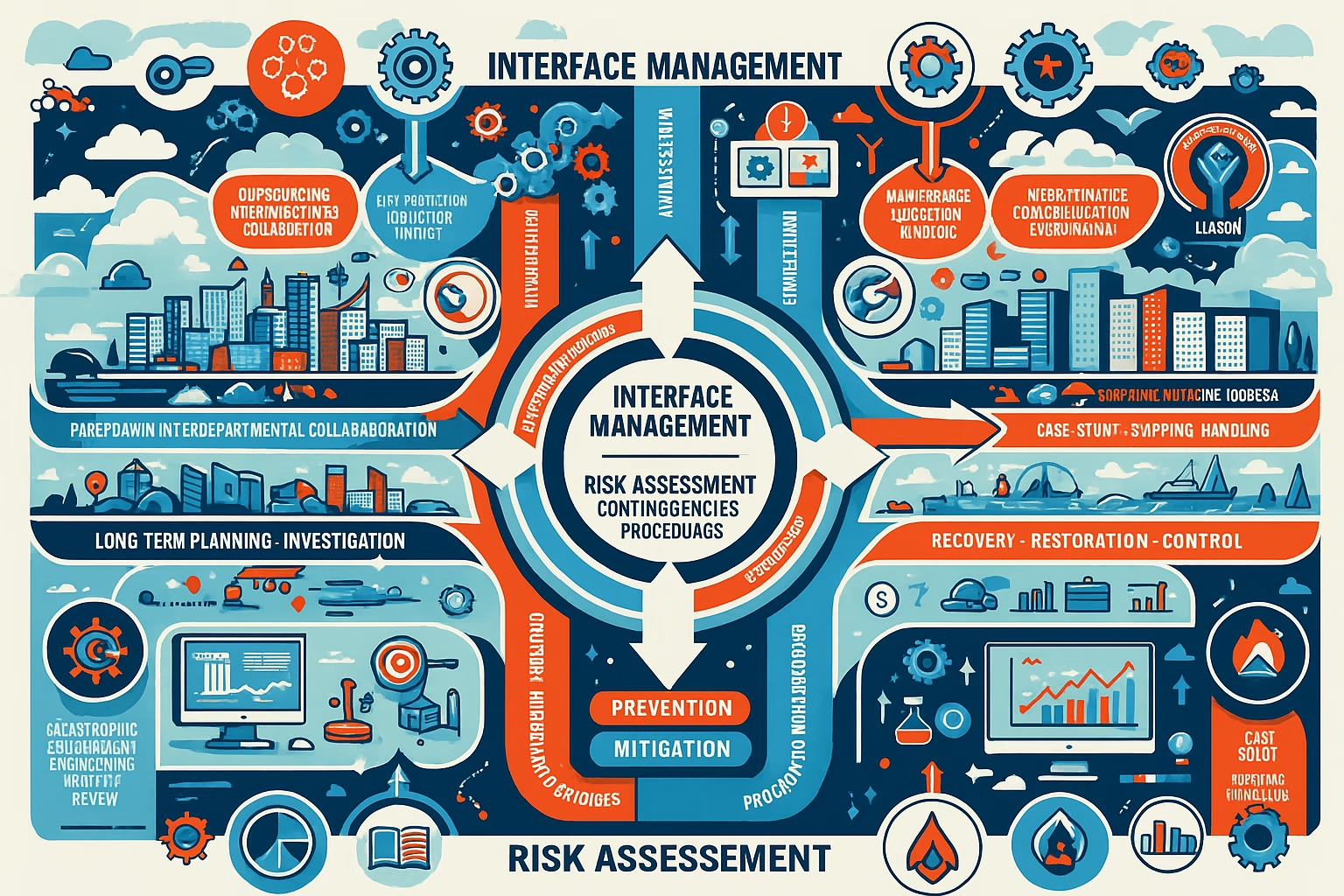
In the challenging landscape of projects involving many disciplines, achieving the best results depends on the smooth combination of different management areas. Two important aspects in this regard are Interface Management and Risk Assessment. Their coming together is not just helpful but essential for the successful completion of large and complex projects.
I. Understanding the Interplay between Interface Management and Risk Management
Interface Management is the organized oversight of connections and links between different project elements, teams, and processes. In projects involving many disciplines, where diverse teams and parts must work together, effective Interface Management ensures that project phases move smoothly without misunderstandings or delays. It involves:
- Identifying Interfaces: Recognizing where interactions between different project components or teams occur.
- Documentation and Communication: Keeping a detailed record of interface requirements and ensuring clear, consistent communication across teams.
- Monitoring and Control: Regularly reviewing interface interactions to prevent or resolve conflicts and ensure alignment with project objectives.
II. Risk Assessment: Navigating the Uncertainties
Risk Assessment, on the other hand, involves identifying, analyzing, and managing potential threats that could impede project objectives. It’s about foreseeing uncertainties in the project lifecycle and preparing strategies to mitigate their impact. Key steps include:
- Risk Identification: Detecting potential sources of risk within the project scope, schedule, resources, or external factors.
- Risk Analysis: Evaluating the likelihood and impact of identified risks.
- Risk Mitigation Planning: Developing strategies to minimize the potential impact of risks on the project.
III. The Symbiotic Relationship: Enhancing Project Management through Integration
The integration of Interface Management and Risk Assessment creates a robust framework for project success. Here’s how they complement each other:
- Proactive Problem-Solving: Interface Management helps in pinpointing potential areas of conflict or misalignment between teams or project components. Integrating this with Risk Assessment allows project managers to proactively identify risks associated with these interfaces and devise preemptive solutions.
- Streamlined Communication: Effective Interface Management ensures that information flows seamlessly across teams. When coupled with Risk Assessment, this ensures that any risk-related information or mitigation strategies are promptly communicated and understood by all stakeholders, fostering a culture of transparency and preparedness.
- Adaptive Strategy Development: By continuously monitoring interfaces and associated risks, project managers can develop more adaptive project strategies. This approach not only mitigates risks but also capitalizes on opportunities for innovation and efficiency improvements.
IV. Implementing the Integrated Approach: Practical Steps
- Develop a Comprehensive Interface and Risk Register:
Document all interfaces and potential risks in a detailed register. Also, update it regularly to reflect the changing project environment.
- Establish Cross-functional Teams:
Encourage collaboration between different teams, especially those working at identified interfaces. This helps everyone understand project goals and risks.
- Implement Regular Review Meetings:
Hold meetings to discuss interface issues and associated risks. Then, update risk plans and management strategies.
- Leverage Technology:
Utilize project management software like Oracle Primavera Cloud or Deltek to track interfaces, risks, and the overall progress of the project. These tools offer real-time insights, enhancing decision-making capabilities.
- Customized Training Programs:
Provide training programs to improve team skills in managing interfaces and risks. Also, as a company certified in Oracle and Deltek, use these partnerships for specialized training.
V. Conclusion
Using Interface Management together with Risk Assessment is not just a good idea; in fact, it’s necessary for project success. As a result, uncertainties are easier to handle, and all parts of the project can work smoothly toward the same goal. Furthermore, organisations can spot problems early and deal with them effectively, which leads to better results.