
Robust planning is a key part of successful project management. In today’s fast-paced world, it is more important than ever. Careful planning helps manage projects more efficiently.
It acts as a clear roadmap, guiding teams and organisations toward their goals. It also ensures good organisation and smooth coordination among stakeholders.
However, if roles are unclear, risks are not planned for, or communication between stakeholders is poor, conflicts can quickly arise. These problems often cause delays and extra costs, disrupt project work, and strain contracts, sometimes even putting the project at risk.

To mitigate these risks, a well-structured planning approach is essential by implementing a proactive and methodical approach, Robust planning can help organisations can strengthen their ability to anticipate challenges, react swiftly to unforeseen events, and reduce friction between stakeholders.
In this article you will explore:
- The Benefits of robust planning.
- How to implement robust planning in your organization.
- What are the best practices for effective planning.
- And, how to overcome challenges in robust planning.
The Benefits of Robust Planning
– Structuring and Aligning the Project
Good planning ensures that everyone knows their roles and responsibilities. Using tools like a Responsibility Assignment Matrix (RAM) makes it easier to manage expectations and avoid overlapping or neglected tasks.
A realistic and detailed schedule, built with methods like the Work Breakdown Structure (WBS) and Critical Path Method (CPM), provides better visibility of all tasks and keeps the project on track.
– Better Coordination and Integration
An Integrated Master Schedule (IMS) connects all project activities, allowing smooth coordination between teams and subcontractors.
Regular monitoring using dashboards or tracking tools helps teams spot potential issues early, so adjustments can be made before they turn into major problems.
– Managing Risks Effectively
Planning allows teams to anticipate and manage risks proactively. Tools like risk matrices, Monte Carlo simulations, and sensitivity analyses help identify potential challenges and create mitigation plans.
– Improved Interface Management
Mapping interfaces and setting integration milestones improves coordination between different teams and stakeholders. This reduces delays and ensures tasks are synchronized correctly.
– Handling Scope Changes and Monitoring Gaps
Proper planning helps track project progress using tools such as Earned Value Management (EVM) or S-curves. This allows teams to detect deviations early and take corrective actions. It also minimises conflicts caused by last-minute scope changes or contract adjustments.
– Smoother Execution and Collaboration
By building a project around strong planning practices, teams can eliminate confusion, improve collaboration, and ensure smoother project execution. Anticipating risks, aligning responsibilities, and monitoring progress carefully all contribute to a more efficient and conflict-free project environment.
How to Implement Robust Planning in Your Organization
Step 1: Define Clear Project Objectives
Set clear and achievable project goals. Whether it’s completing a construction phase, installing a system, or delivering a technical solution, clear objectives guide the team and keep everyone aligned.
Step 2: Analyse the Project Situation
Review your project’s status, including strengths, weaknesses, constraints, and risks. This analysis helps identify potential challenges early and ensures the plan is realistic.
Step 3: Develop a Detailed Plan
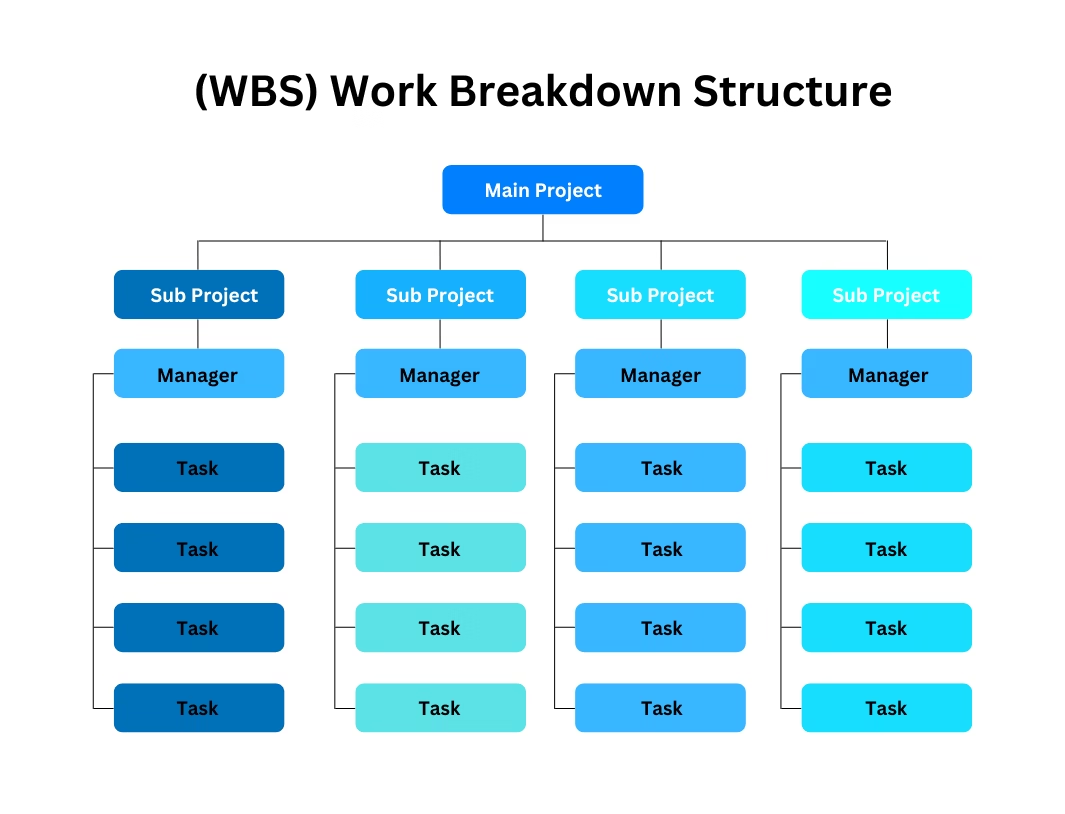
Create a structured plan that outlines all tasks, timelines, and milestones. Use methods like Work Breakdown Structure (WBS) and Critical Path Method (CPM) for clarity. Define roles clearly using a Responsibility Assignment Matrix (RAM) to avoid overlaps or missed tasks.
Step 4: Coordinate and Integrate Activities
Connect all project activities using an Integrated Master Schedule (IMS). This ensures smooth coordination between teams and subcontractors and helps spot issues early.
Step 5: Manage Risks
Identify potential risks and plan how to handle them. Tools like risk matrices, Monte Carlo simulations, and sensitivity analyses help teams prepare for challenges before they escalate.
Step 6: Improve Interface Management
Map out team interfaces and set integration milestones. This improves collaboration, reduces delays, and ensures tasks are synchronized correctly.

Step 7: Monitor Progress and Handle Changes
Track project progress with tools like Earned Value Management (EVM) or S-curves. Early detection of deviations allows for timely corrections and minimizes conflicts from last-minute changes.
Step 8: Ensure Smooth Execution and Collaboration
By following robust planning steps, teams can work together efficiently, avoid confusion, and ensure the project runs smoothly from start to finish.

Best Practices for Effective Planning
Involve stakeholders early
Include all important people from the start. This helps get their support and avoid disagreements. Working together with methods like pull planning or Integrated Project Delivery (IPD) makes it easier to match schedules with real needs and expectations.
Establish clear communication processes
Clear communication reduces mistakes. Regular meetings, standard reports, and shared platforms for important documents (contracts, schedules, reports) help everyone work together.
Monitor progress in real time
Tools like Earned Value Management (EVM) and Key Performance Indicators (KPIs) help teams spot problems early. Checking planned progress against actual progress allows fast fixes when unexpected issues happen.
Document decisions and changes
Keeping a clear change log is important. It makes everything transparent and provides a reference if disagreements happen, useful in discussions or disputes.
How to Overcome Common Challenges in Robust Planning
Robust planning brings many benefits, but it also has challenges. Here are some common problems and ways to solve them:
Lack of Clear Vision
A common problem is not having a clear vision. Without knowing the desired results, it is hard to make a good plan. To fix this, spend time defining your goals clearly. Make sure they match your organisation’s mission and values.
Inadequate Resources
Limited resources can make planning difficult. To deal with this, focus on the most important tasks first. Use resources wisely and think creatively to do more with less. This helps make the most of what you have.
Resistance to Change
People sometimes resist changes from new plans. To overcome this, involve key people in the planning process. Explain the benefits of the plan. Getting their support makes it easier to implement changes successfully.
Conclusion: Planning as a Key Tool to Reduce Conflicts
Strong planning is more than just a schedule, it is the foundation for clear responsibilities, smooth coordination, and proactive risk management. By structuring projects around a shared vision and using rigorous monitoring, teams can prevent many conflicts before they arise.
As projects become more complex and deadlines, budgets, and quality standards get tighter, proactive planning is no longer optional, it is essential. By applying proven methods, ensuring strong stakeholder coordination, and using advanced tracking tools, organisations can reduce conflicts and achieve smoother project execution.
Investing in robust planning is not just an operational necessity, it is a strategic advantage that improves performance and ensures long-term project success.