
In today’s professional world, projects are becoming more complex, making the role of the Project Management Office (PMO) more important than ever.
The PMO handles planning, executing, and finishing projects. This means it deals with a lot of information and data. But even the most organised PMO can struggle if it doesn’t have the right tools to analyse this data.
Advanced analytics can help. They turn large amounts of data into clear insights and practical actions that add real value.
This article explains how advanced analytics can transform your PMO from a place that struggles with data to one that has clear visibility and understanding of its goals.
1. Understanding the Chaos: The Data Challenge
PMOs collect data from many sources: project schedules, progress reports, KPIs, risk registers, and more.
Without a clear way to organise and analyse this data, it’s easy to feel overwhelmed. Too much information can slow down decision-making and reduce the PMO’s efficiency.
2. The Solution: Advanced Analytics
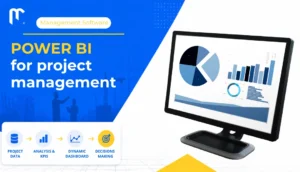
Using advanced analytics is essential for organisations that want better project management. These tools use methods like machine learning, statistics, and predictive analysis to turn data into useful insights.
With advanced analytics, organisations can:
Spot trends and patterns to predict problems before they happen.
Manage resources better by using people and budgets more wisely.
Make faster, better decisions based on accurate data.
Improve transparency, giving stakeholders a clear picture and boosting communication and teamwork.
3. Implementation: Key Steps for Change
1. Assess needs and capabilities:
Understand where the PMO currently stands, how data is managed, and what gaps exist.
2. Choose the right tools:
Pick software that fits your existing systems and meets your specific needs.
3. Train your team:
Ensure everyone knows how to use the tools and interpret the data properly.
4. Customise tools:
Adjust software to match PMO procedures, including dashboards and reports tailored to your organisation.
5. Continuous improvement:
Advanced analytics is an ongoing process. Regularly review and adjust your approach as you learn more.
4. Moving Toward a Clear Strategic Vision

Adding advanced analytics to the PMO turns uncertainty into clarity. This not only improves project management but also builds a culture of openness, teamwork, and trust within the organisation.
Adopting advanced analytics is more than just a tool upgrade, it’s a strategic change. It positions your PMO as a leader in managing complex projects, both in France and internationally.
If you need help with project planning, we have years of experience in this field. Learn more here: Project Control and Operational Planning